More Than “Just a Donut”
Every market season, someone bites into a pączek, pauses, and says some version of, “Oh… this is not a donut.”
That little moment is one of my favorites.
Because they’re right. Pączki might look donut‑ish to the untrained eye, but they come from a different place entirely—different dough, different fillings, and a completely different story baked into them.
Think of a donut as something you grab absent‑mindedly with coffee. A pączek is something you plan for, wait for, share. It’s a small ritual, not just a pastry.
What Are Pączki?
Pączki (POHNCH‑kee, if we’re getting cozy with the Polish) are old‑world pastries made from a rich, eggy dough that gets fried and then tucked around something generous—usually real fruit preserves or silky cream.
In Poland, they’re tied to the days right before Lent, when everyone used up their butter, eggs, and sugar in one glorious, slightly chaotic burst of frying.
Here’s what makes pączki special:
The dough is closer to a soft, tender bread than a puff of air.
The flavor comes from real ingredients and time, not just sugar.
The filling is meant to be something you can name with your eyes closed.
They’re meant to feel like a treat that has some weight to it—something you remember hours later.
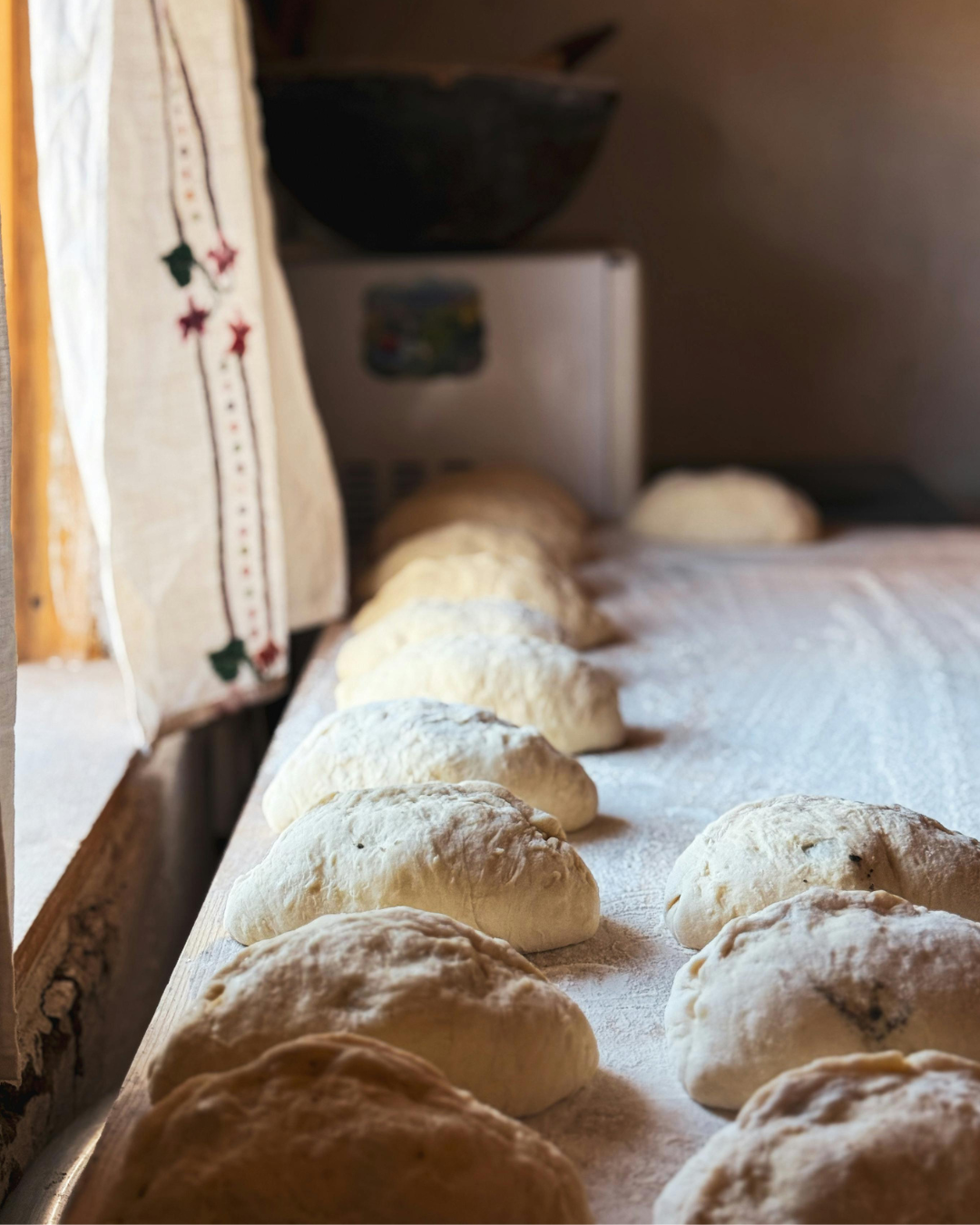
The Dough: Why It Feels Different in Your Hands
If you’ve ever picked up one of my pączki and noticed how it gently gives when you hold it, that’s the dough talking.
Unlike many American yeast donuts, which are designed to be super light and neutral, pączki dough is intentionally richer. There are more eggs, more fat, sometimes a splash of spirits to keep it tender. It sits, it rises, it develops actual flavor before it ever meets hot oil.
When you tear into a pączek, you’ll usually see:
A fine, tender crumb rather than big, open bubbles.
Just enough chew to feel satisfying, but still soft.
A dough that tastes like something on its own—almost brioche‑like.
Let’s Talk Fillings
Walk into a typical donut shop and you’ll see a lot of frosting and fillings that taste like “red” or “white,” but not much beyond that. Pączki grew up in a different tradition—one where preserves simmered on the stove and fruit was the star.
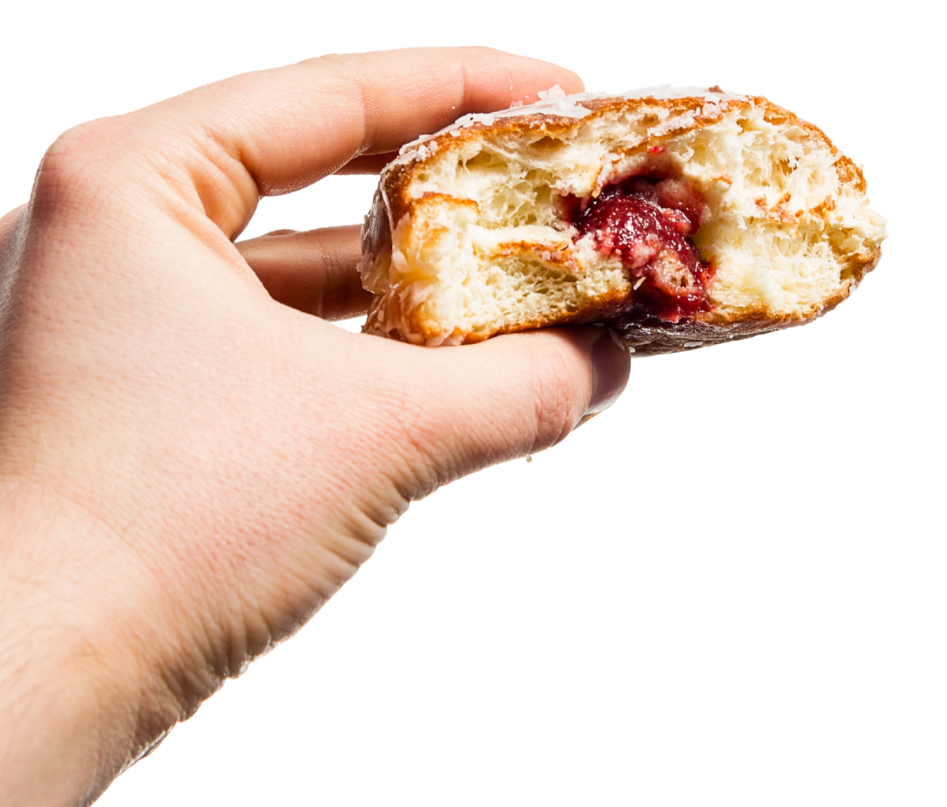
Traditional Polish fillings include:
Rosehip jam (różana)
Plum butter (powidła śliwkowe)
Apricot or raspberry preserves
Custard or vanilla pudding‑style cream
Modern bakeries (including mine) also play with:
Lemon curd
Chocolate or mocha cream
Seasonal fruit curds or jams
Nut‑based fillings inspired by other Polish desserts
The goal is a balance: sweetness, some acidity from fruit, and a filling that actually tastes like what it says it is.

How Polish Pantry Does Pączki
Dough that’s slow‑fermented for better flavor and texture.
Fillings that highlight real fruit, Polish flavors, and playful seasonal ideas.
Batches that respect the tradition (especially around Fat Tuesday) but still show up for you outside of that one day.
Every batch is an invitation to experience a little slice of Polish food culture—no passport necessary.
If you’ve only ever had grocery‑store “paczki” or standard jelly donuts, you haven’t really met the real thing yet.
Join my newsletter to hear about the next pączki drop and seasonal flavors.
Pre‑order a mixed box and taste the difference between “just a donut” and a true pączek.
Smacznego!